Why are remodels so expensive in Los Angeles?
A remodel in Los Angeles typically costs 15–25% more than the same project in an average U.S. metro, and 30–40% more than in a low-cost state like Texas. Four things drive the gap — skilled-trade labor at roughly $45–$85 an hour, permit and plan-check fees that run several times higher than most of the country, California's Title 24 energy code and seismic requirements that add work no other state demands, and materials that land about a quarter above national prices once delivery into dense, hard-to-stage neighborhoods is counted. None of it is your contractor padding the bill. It is the real cost of building to code in a high-cost, high-regulation, earthquake-prone city.
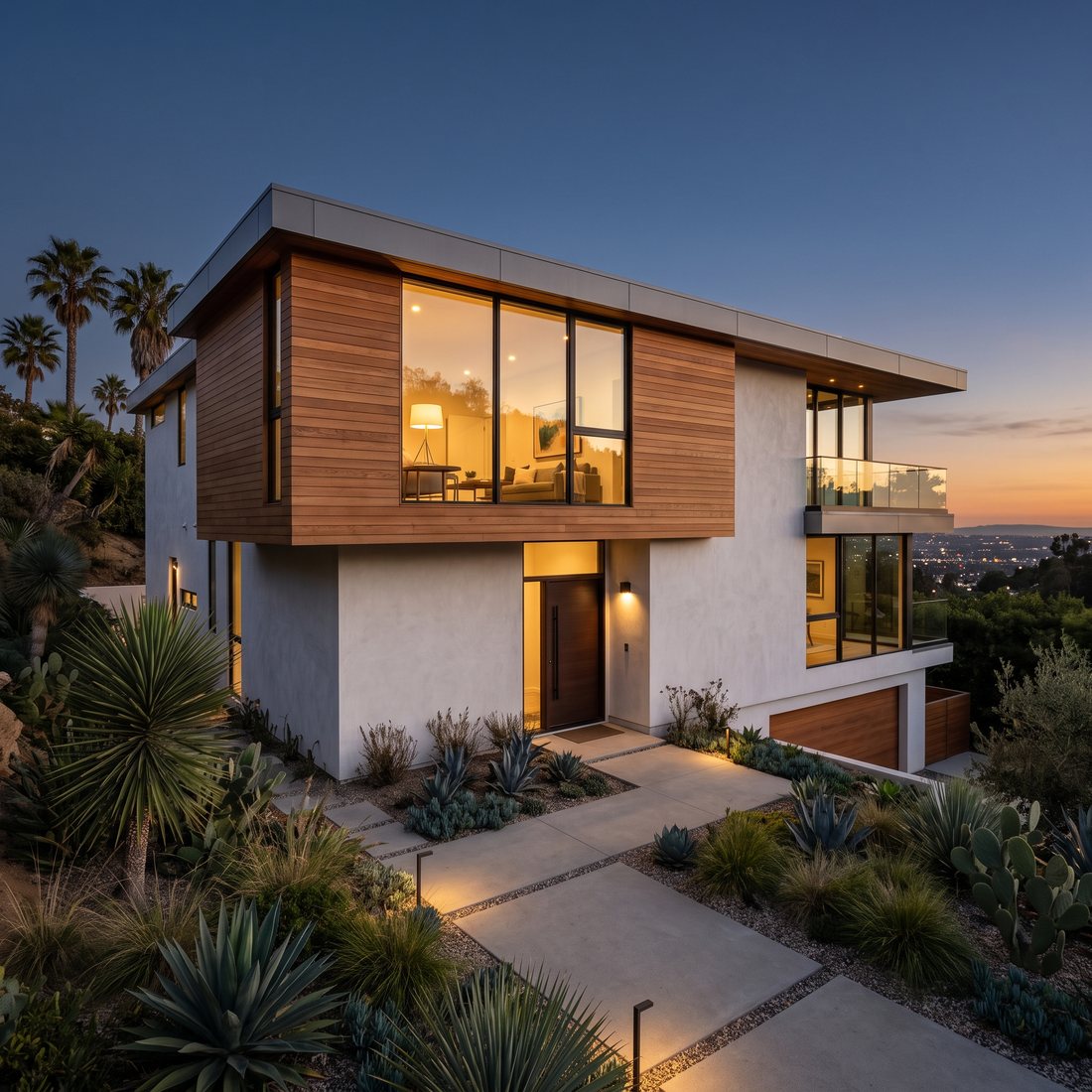
The short version: LA builds to a harder, pricier rulebook
Homeowners here often compare their bid to a cousin's remodel in Phoenix or Dallas and assume they are being overcharged. Usually they are not. The same kitchen, bathroom, or addition simply costs more to build in Los Angeles — commonly 15–25% above the national average, and more against low-cost states — for four concrete reasons. Here is where the money actually goes.
1. Labor: skilled trades are scarce and licensed
Los Angeles runs on licensed, in-demand tradespeople, and there are not enough of them for the volume of work. Skilled journeyman labor here commonly bills $45–$85 an hour, with electricians and plumbers at the top of that range. A good crew is booked out weeks or months ahead, and that scarcity is baked into every bid. You are not just paying for hours; you are paying for people who can pass a California inspection the first time, which on a permitted job saves you far more than the hourly rate suggests.
2. Permits and plan check: several times the national rate
This is where the sticker shock starts. California permit and plan-check fees run several times higher than in states like Texas for an identical project, and a full permit package on a larger remodel or addition can add $10,000–$20,000 on its own.
There is a local wrinkle too. Los Angeles is not one building department — it is many. The City of Los Angeles permits through LADBS, while Burbank, Glendale, and Pasadena each run their own building departments on their own fee schedules and timelines. Two identical houses a mile apart can face different fees and different review speeds purely because of which jurisdiction they sit in. We walk through exactly how that differs in permits in Glendale vs Burbank vs Los Angeles.
3. Title 24 and CALGreen: code that adds real scope
California's Title 24 is the most stringent residential energy code in the United States, and CALGreen layers on green-building requirements. Once you pull a permit, these can require added wall and attic insulation, high-performance dual-pane windows, efficient HVAC, tight air sealing, and electrical capacity sized for future all-electric appliances — work that a remodel in most other states would never trigger.
On an older house this compounds fast, because you are often bringing 70-year-old systems up to a 2020s code all at once. That is a big part of why a Valley remodel keeps uncovering cost — see what's behind the walls of a 1950s San Fernando Valley home. It is not padding; it is the code the inspector will hold you to.
4. Seismic code: you are building against earthquakes
Every other line item on this list also exists in cheaper states. This one is the LA tax. California seismic standards require structures to resist earthquake forces, which on a remodel that touches structure means shear walls, hold-downs, a continuous load path, and often foundation work that a Midwest or Texas project simply would not need. Add a second story or remove a wall and the seismic scope can dwarf the finishes. It is invisible in a magazine photo and unavoidable in a permitted LA build.
5. Materials and logistics: the last quarter of the gap
Even the materials cost more. Delivered building materials in Los Angeles run roughly 25–30% above national prices once you count freight into a dense, traffic-choked region. Then there is the logistics tax that no glossy estimate mentions: tight lots with nowhere to stage a dumpster, street-parking permits for crews, restricted delivery windows, and LA disposal and dump fees that make hauling debris its own budget line. On a hillside or a narrow Valley lot, just getting material to the work face costs money.
So what do you do with this?
You stop comparing your bottom line to a remodel in another state, and you start reading your bid line by line. A legitimate Los Angeles bid will separate labor, permits, Title 24 and structural upgrades, materials, and disposal so you can see the real drivers. The number to distrust is the low, vague, un-itemized one — because in LA, a bid that leaves out permits and code upgrades is not a bargain, it is a change order waiting to happen. When we scope a whole-home renovation, those code and permit costs go into the written bid as line items up front, so the price you sign is the price the city will actually make you build.
Dn Builders Group Inc Services is a licensed, bonded general contractor based in Burbank (CA Lic. #1139710). We build whole-home renovations, kitchens, and additions across Burbank and Greater Los Angeles, and we itemize the LA-specific costs — permits, Title 24, seismic — so nothing surprises you in month three. Figures are typical 2026 Los Angeles market ranges, not a quote, and this is general information rather than financial advice.
Questions
How much more does remodeling cost in LA than the national average?
Most cost data puts Los Angeles about 15–25% above the U.S. average for the same scope, and some estimates run 20–40% higher against low-cost states. A kitchen that might land at $40,000 in a cheaper metro commonly runs $50,000–$60,000 here for identical finishes, before anything unusual is uncovered. These are typical Los Angeles market ranges, not a quote — the gap is structural, not something a single contractor sets.
Do permits really cost that much more in Los Angeles?
Yes. California permit and plan-check fees run several times higher than states like Texas for an identical project, and a full permit package on a larger job can add $10,000–$20,000. LA also has separate building departments — the City of Los Angeles goes through LADBS, while Burbank, Glendale, and Pasadena each run their own — so fees and timelines differ from one side of a street to the other. See our comparison of permits in Glendale, Burbank, and Los Angeles for the detail.
What is Title 24 and why does it raise my remodel cost?
Title 24 is California's building energy code — the strictest residential energy standard in the country. Once you pull a permit, it can require added insulation, high-performance windows, efficient HVAC, tighter air sealing, and electrical capacity for future all-electric appliances, even if none of that was on your wish list. It is real added scope that a remodel in most other states would never trigger, and it is a genuine reason LA numbers come in higher.
Is my contractor overcharging, or is LA just expensive?
Usually the latter — but the way to know is an itemized bid. A legitimate LA bid shows labor, permits, Title 24 and structural work, materials, and disposal as separate line items, so you can see where the money goes. A suspiciously low, un-itemized number is the bigger red flag — it almost always means permits, code upgrades, or an allowance were left out and will return as change orders. Compare bids line by line, not bottom line to bottom line.