Remodeling in North Hollywood — what to know
North Hollywood is a neighborhood of the City of Los Angeles, so remodels permit through LADBS — for the Valley, the district office at 6262 Van Nuys Blvd. Three things set it apart from its Valley neighbors. First, it is a transit hub — the North Hollywood station is the terminus of the Metro B Line subway and the junction of the G Line busway, which is why District NoHo, the largest joint development in Metro's history, is rising on top of it, and why new state transit-density rules under SB 79 (effective July 2026) land hardest here. Second, much of the multifamily stock is rent-stabilized under the RSO because it was built on or before October 1, 1978, which changes what you can do with a duplex or fourplex. Third, behind the walls it is classic Valley — 1920s bungalows in the original arts-district core and postwar tracts to the north, with galvanized pipe and 100-amp panels waiting inside.
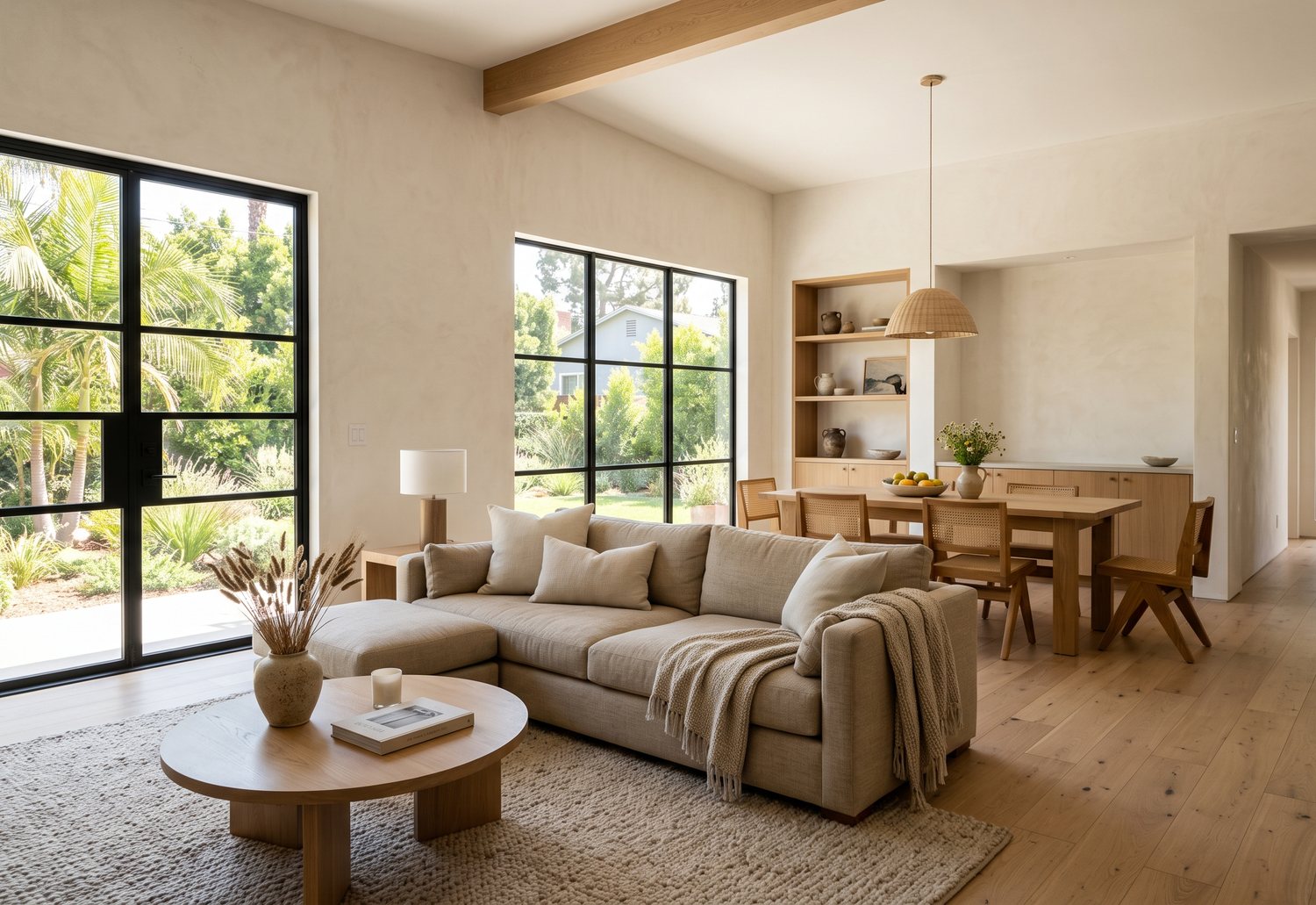
North Hollywood looks like its Valley neighbors on a map — flat blocks, Ventura-era bungalows, postwar tracts. But it carries something none of them do: a subway terminus, the largest transit development in Metro's history rising on top of it, and a fresh set of state density rules that landed in July 2026. Add a heavy layer of rent-stabilized housing and a pre-war arts-district core, and remodeling here means reading which of those forces actually touches your project.
Where you permit, and who your neighbors are
North Hollywood is part of the City of Los Angeles, so plan check and inspections run through LADBS, and for Valley work that means the district office at 6262 Van Nuys Blvd — the same counter that serves Studio City, Sherman Oaks, and Encino. It borders Burbank to the east and Toluca Lake and Studio City to the south, which matters more than it sounds: the housing stock and the rules shift block to block as you move between the arts-district core and the quieter tracts.
The transit hub changes the math
The North Hollywood station is the terminus of the Metro B Line subway and the junction of the G Line busway plus more than a dozen bus routes. That junction is why District NoHo — a roughly 15-acre joint development with about 1,500 homes, offices, and retail, the largest joint development in Metro's history — is being built directly on top of the station.
For a homeowner doing a kitchen or a bathroom, none of this changes your permit. But two things make it worth understanding:
- SB 79. The new state law, signed in October 2025 and effective July 1, 2026, allows taller and denser housing near major transit stops. The North Hollywood station is exactly the kind of hub it targets, so the zoning envelope around it is moving upward. Local implementation is still being finalized — which means any guidance about "what you can build near the station" from even a year ago should be treated as stale.
- Transit Oriented Communities (TOC). LA's TOC program grants density and parking incentives for income-restricted housing near major transit intersections, and the B/G-line junction sits in a top tier. Again — this is a tool for housing projects, not remodels, but if you own a lot near the station, it is part of your property's value story.
The honest summary: if you are remodeling a single-family home, the transit boom is background. If you own multifamily near the station, or you are weighing whether to add units, it is the whole foreground.
The RSO layer under the multifamily stock
North Hollywood has a large share of older apartments, duplexes, and fourplexes, and here is the fact that catches new owners: multifamily built on or before October 1, 1978 is generally covered by the LA Rent Stabilization Ordinance (RSO).
RSO is not just a rent cap. It shapes remodeling directly: how and when you can have units vacant to do serious work, what you owe tenants during a substantial renovation, and the rules around temporarily relocating them. A plan that assumes you can simply empty a fourplex and gut it can collide with RSO on day one.
If you are buying a North Hollywood income property to renovate — a very common play here — confirm RSO status before the budget, not after. The same is true for adding an ADU to an RSO lot, which comes with its own conditions; our home additions & ADUs page is the place to start that conversation.
Behind the walls: two eras of Valley stock
North Hollywood splits, roughly, into two building eras.
The arts-district core holds the older housing — 1920s bungalows and even a rare surviving 1925 bungalow court that a citywide historic survey flagged as an excellent, uncommon example for the San Fernando Valley. Pre-war construction is charming and it is old: knob-and-tube remnants, undersized services, and framing that predates modern seismic detailing.
North toward Roscoe and the tracts, it is postwar 1940s–60s bungalows and mid-century homes, typically 1,200–1,800 square feet. That is the classic Valley behind-the-walls list — galvanized supply pipe due for a repipe, an original 100-amp panel that a modern kitchen and heat pump will outgrow (North Hollywood panels run through the same LADWP process we compared across LA, Burbank, and Glendale), and insulation nowhere near current Title 24.
Neither era is a reason to walk away. Both are a reason to open a wall or two and look before the budget is final — the same discipline that pays off everywhere in the Valley, and pays off double in a neighborhood where the pre-war and postwar stock sit a block apart.
The short version
In North Hollywood, first figure out which North Hollywood you are in. Single-family remodel? Permit through LADBS in Van Nuys, and treat the transit and SB 79 news as background. Multifamily near the station? The RSO, TOC, and SB 79 are the real story, and they belong in the plan before the demo. Either way, respect the building's age — 1920s in the arts core, postwar in the tracts — and check the pipe, the panel, and the insulation before you commit a number.
Dn Builders Group Inc Services is a licensed, bonded general contractor based in Burbank (CA Lic. #1139710), working across the San Fernando Valley. This is general information for planning a North Hollywood remodel, not legal or code advice; confirm current rules with LADBS and the LA Housing Department for your specific address.
Questions
Is North Hollywood its own city?
No — North Hollywood is a neighborhood of the City of Los Angeles. Permits, plan check, and inspections run through LADBS, and for Valley projects the counter is the Van Nuys district office at 6262 Van Nuys Blvd. Zoning follows LA City Planning rules. It borders Burbank to the east and Toluca Lake and Studio City to the south.
Does the Metro development and SB 79 affect my house remodel?
For a single-family kitchen, bath, or room remodel, mostly no — those rules are about housing density near transit, not your finishes. They matter if you own multifamily or a lot near the North Hollywood station and are thinking about adding units, and they matter for your resale math, because the neighborhood around the station is being rezoned upward. SB 79 took effect July 1, 2026, and local implementation is still being worked out, so treat pre-2026 advice about what you can build near the station as out of date.
Is my North Hollywood building rent-controlled?
If it is multifamily and was built on or before October 1, 1978, it is very likely covered by the Los Angeles Rent Stabilization Ordinance (RSO). That affects far more than rent — it governs how and when you can have units vacant for a major renovation, what you owe tenants, and how you handle a substantial remodel. If you are buying a North Hollywood duplex or fourplex to renovate, confirm RSO status before you budget, not after.
What is behind the walls in a North Hollywood bungalow?
In the pre-war arts-district core, expect 1920s bungalow construction; in the tracts north toward Roscoe, postwar 1940s–60s stock. Either way the usual Valley list applies — galvanized supply pipe near the end of its life, an original 100-amp electrical panel a modern kitchen will outgrow, and insulation nowhere near current Title 24. A remodel is the moment to fix those while the walls are open.