How much value does an ADU add in Los Angeles?
A permitted ADU in Los Angeles typically adds value equal to roughly 60% to 100% of what it cost to build — commonly $150,000 to $500,000, depending on size and type. A peer-reviewed 2024 study of Los Angeles parcels found an ADU raises a property's assessed value and sale price by about 7% to 9%. But the number swings on two things almost nobody warns you about first. One, whether the unit is legally permitted — an unpermitted ADU adds little and can subtract value. Two, whether it is rented with documented income. An unrented detached ADU often appraises well below its cost; the same unit with a signed lease closes most of that gap.
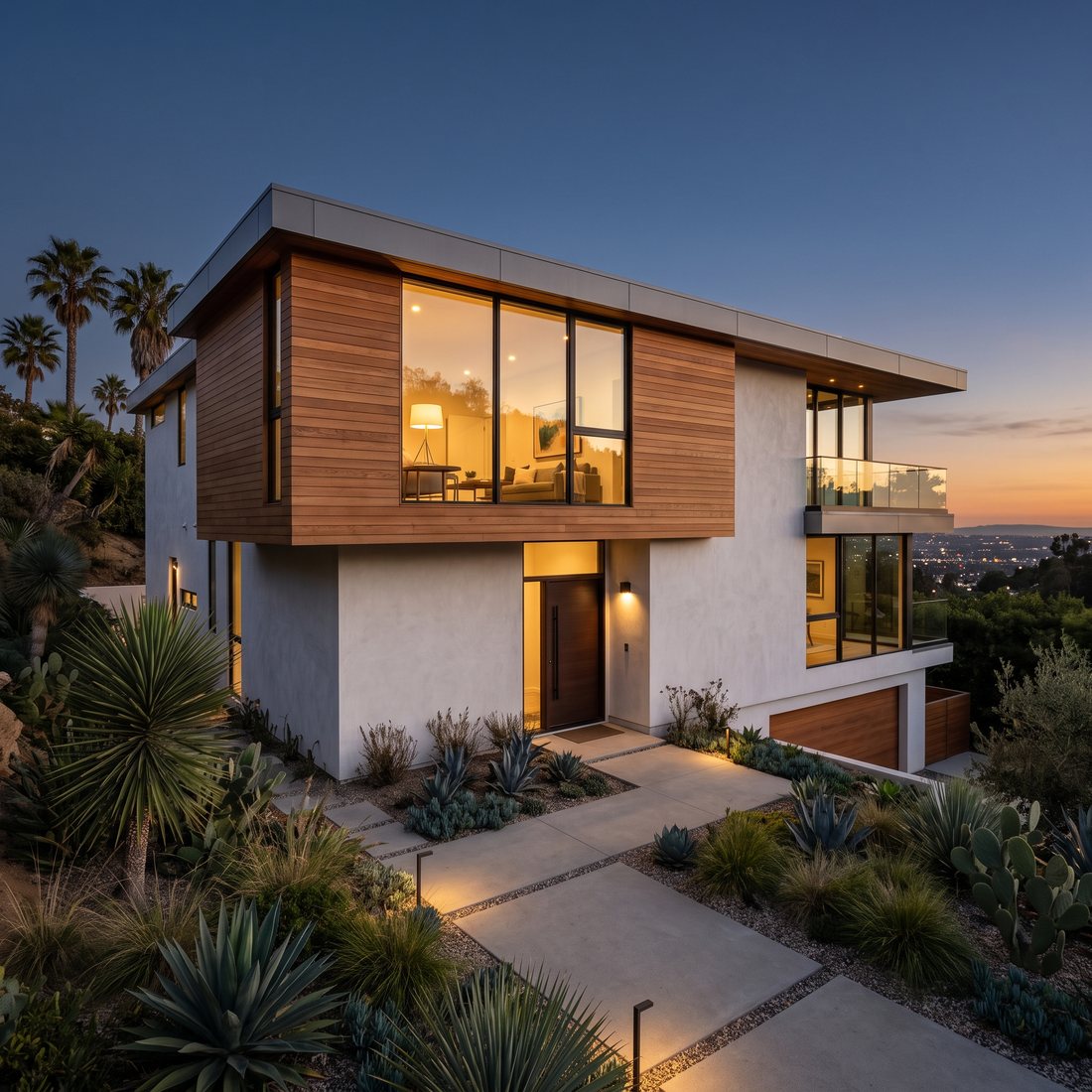
The short answer
A permitted ADU in Los Angeles typically adds value equal to roughly 60% to 100% of what it cost to build — in dollars, commonly $150,000 to $500,000. A peer-reviewed 2024 study in Real Estate Economics, using Los Angeles parcel data, put the lift at about 7% to 9% of assessed value and sale price. These are typical Los Angeles market ranges, not a quote or a promise.
But the honest version of this answer is not the number — it is the two things the number hides.
The appraisal gap nobody warns you about
Here is the part that surprises people. You spend $280,000 on a detached ADU, and the first appraisal credits your property maybe $170,000 to $210,000 for it — not the full $280,000.
That is not the appraiser being difficult. Two structural reasons:
- A detached ADU is not "square footage." When you add a bedroom onto the main house, the appraiser adds that area to the home's living space. A detached unit in the backyard is a separate structure, and mortgage rules treat it differently — so it does not simply flow into the price-per-square-foot math.
- There are few comps. Appraisal runs on comparable sales, and in many neighborhoods there still are not enough recent ADU sales to lean on. Thin comps pull the credited value toward the conservative end.
The gap is real, and it is the number one thing that catches Los Angeles homeowners off guard when they go to refinance.
What closes the gap: a permit and a lease
The same detached ADU can move from ~65% of cost to ~90–100% of cost credited — if two things are true.
It is legally permitted. An unpermitted unit is a liability on paper: hard to appraise, hard to finance, and a red flag to buyers. Permitted, it is an asset the appraiser and lender can actually score.
It is rented, with documented income. Once there is a signed lease and a rent history, the property can be valued partly on the income it produces, not just on comps. This is also where financing shifts — for an FHA-insured loan, for example, up to 75% of an ADU's market rent can count toward what you qualify for (with its own caps). Documented rent is the lever.
The practical takeaway: permit it, rent it, keep the paperwork. An unrented, unpermitted ADU is where the value leaks out.
In dollars, by size
| ADU type | Typical build cost | Value commonly added |
|---|---|---|
| Garage conversion (~400 sq ft) | $100,000 – $200,000 | $80,000 – $180,000 |
| Small detached (~600 sq ft) | $150,000 – $300,000 | $120,000 – $280,000 |
| Larger detached (~800–1,000 sq ft) | $250,000 – $450,000 | $180,000 – $450,000 |
These are typical 2026 Los Angeles market ranges, not a quote. The value added is a band, not a point, because it depends on permit status, whether it is rented, and how many comparable ADU sales exist near you.
What the research actually says
The most careful number comes from that 2024 Real Estate Economics study of Los Angeles: an ADU raised a parcel's assessed value and sale price by roughly 7% to 9%. The same research found ADUs cluster near commercial districts and light-rail stations and are less common on large newer parcels — a reminder that location shapes the payoff.
Treat the flashier statistics with caution. When a headline says homes with ADUs "sold for 35% more," remember that homes with ADUs also tend to be larger and better maintained. That figure blends the ADU's contribution with everything else about those houses. The 7–9% figure isolates the ADU better, and the appraiser's 60–100%-of-cost range is what you will actually feel at the closing table.
Does it pay for itself?
Owners commonly cite 7 to 12 years to recoup build cost through rent. That is a rule of thumb, not a guarantee — the math is your cost of money against your rent, and nobody can promise you a return. This is a question to run with your accountant before you run it with your contractor. What a contractor can tell you is the cost side and how to protect the value: build it legal, build it to code, and keep it rentable.
How to protect the value
- Permit everything. The permit is not red tape here — it is the thing that makes the value real.
- Design it to rent. A private entrance, its own utilities where feasible, and a real kitchen and bath make the difference between "adds income" and "adds a room."
- Keep the documents. Final inspection sign-off, the lease, the rent record. That folder is what turns build cost into appraised value.
Get the sequence right and an ADU is one of the few remodels that can add both monthly income and durable resale value. Skip the permit or leave it empty, and you have spent the money without capturing the value.
Dn Builders Group Inc Services is a licensed, bonded general contractor based in Burbank (CA Lic. #1139710). See our home additions & ADUs page, our breakdown of what an ADU costs in Los Angeles, or the cost to legalize unpermitted work. Figures are typical 2026 Los Angeles market ranges, not a quote, and this is general information rather than legal, financial, or appraisal advice.
Questions
Does an ADU appraise for what it cost to build?
Not automatically. In Los Angeles, appraisers commonly credit roughly 60% to 75% of build cost to the property's value at first, because a detached ADU adds a separate structure rather than square footage to the main house, and there are few comparable sales. The gap narrows — often to 80% to 100% of cost — once the unit is legally permitted and you can show a signed lease and documented rent. This is the single biggest reason to permit the unit and rent it before you refinance or sell.
How much does an ADU add to home value in dollars?
Typical Los Angeles ranges run about $150,000 to $500,000 or more, scaling with the size and type of unit and whether it is rented. A peer-reviewed 2024 study in Real Estate Economics, using Los Angeles data, found ADUs raised assessed value and sale price by roughly 7% to 9%. Be skeptical of much larger "sold for 35% more" figures — homes with ADUs also tend to be bigger and nicer, so those numbers mix the ADU's effect with everything else.
Does an unpermitted ADU add value?
Usually the opposite. An unpermitted unit is hard to appraise, hard to finance, and can scare off buyers who worry about being forced to remove it or bring it to code. Lenders generally will not count rental income from an unpermitted unit. Legalizing existing unpermitted work first is often the move that unlocks the value — see our post on that below.
How long until an ADU pays for itself in Los Angeles?
Owners commonly cite 7 to 12 years to recoup build cost through rent, depending on what they spent and what they charge. That is a rule of thumb, not a promise — run the numbers with your accountant, because your cost of money and your rent are the whole equation.